วิธีการก่อสร้างโรงงานแบบดั้งเดิมกําลังถูกท้าทายมากขึ้นด้วยระยะเวลาที่ยาวนาน ค่าใช้จ่ายสูง และการออกแบบที่ไม่ยืดหยุ่น ในยุคที่กระตุ้นการประหยัดและความยั่งยืนในปัจจุบันโครงสร้างเหล็กชุดเรียบร้อยได้ปรากฏขึ้นเป็นทางออกที่เหมาะสมสําหรับสถานที่พาณิชย์และโลจิสติกส์ที่ต้องการปรับปรุงใหม่
ลองจินตนาการถึงอาคารโรงงานที่กว้างขวาง ทนทาน และทันสมัย ที่เสร็จสิ้นภายในไม่กี่เดือน แทนที่จะใช้เวลาหลายปีซึ่งมีข้อดีเหนือกว่าอาคารคอนกรีตทั่วไปในเรื่องความเร็วในการติดตั้ง, ความยืดหยุ่นในการออกแบบ และคุณค่าในระยะยาว
การ สร้าง มูลนิธิ ที่ มั่นคง
เหล็กสแตนเลสความแข็งแรงสูง เช่น Q235B และ Q355B แสดงความแข็งแรงของผลผลิตที่มากเกินวัสดุประเพณีมีความแข็งแรงในการบด 355 MPa เมื่อเทียบกับความแข็งแรงในการบดแบบทั่วไปของคอนกรีต 30-50 MPaซึ่งทําให้โครงสร้างเหล็กสามารถทนรับภาระที่หนักกว่าจากอุปกรณ์ วัสดุ และแรงสิ่งแวดล้อม เช่นหิมะและลม
การวิจัยในอุตสาหกรรมชี้ให้เห็นว่าอาคารโรงงานเหล็กมักจะมีอายุการใช้งาน 50-100 ปี โดยมีผลงานดีกว่าโครงสร้างคอนกรีตที่มักต้องการการบํารุงรักษาบ่อยขึ้นและการปรับปรุงก่อนวิธีการป้องกันการกัดสนิมที่ทันสมัย, การเคลือบป้องกันและการกระปุกร้อนช่วยเพิ่มความทนทานต่อสภาพอากาศอย่างสําคัญ ลดต้นทุนการบํารุงรักษาในระยะยาวในขณะที่อนุรักษ์คุณค่าสินทรัพย์
การก่อสร้างที่เร่งรัด: การจับโอกาสในตลาด
แนวทางการผลิตล่วงหน้าทําให้ประมาณ 70-80% ขององค์ประกอบ รางหลัก, คอลัมน์, รางกั้นและรางผนัง สามารถผลิตในสภาพแวดล้อมโรงงานที่ควบคุมได้วิธีการผลิตแบบมาตรฐานนี้กําจัดความช้าของสภาพอากาศและเพิ่มประสิทธิภาพอย่างสําคัญเมื่อเทียบกับการก่อสร้างในสถานที่.
ในขณะที่โรงงานคอนกรีตแบบดั้งเดิมใช้เวลา 12-24 เดือนในการเสร็จสิ้น โครงสร้างเหล็กช่างสามารถก่อสร้างได้เพียง 3-6 เดือนระยะเวลาที่กดกันนี้ ส่งผลประโยชน์ทางการเงินหลายอย่าง:
- ลดต้นทุนการเงินด้วยระยะเวลาการก่อสร้างที่สั้น
- การเริ่มต้นการดําเนินงานและการสร้างรายได้ก่อนหน้านี้
- การเพิ่มความสามารถในการแข่งขันผ่านความสามารถในการตอบสนองตลาดอย่างรวดเร็ว
ความยืดหยุ่นในการออกแบบ: ปรับตัวให้กับความต้องการที่เปลี่ยนแปลง
ความแข็งแกร่งของเหล็กทําให้มีช่วงที่ไม่มีคอลัมน์ 15-30 เมตรหรือมากกว่าการจัดตั้งพื้นที่เปิดนี้เพิ่มความยืดหยุ่นในการวางแผนสําหรับสายการผลิต, ระบบเก็บและการติดตั้งอุปกรณ์
ลักษณะแบบจําแนกของโครงสร้างเหล็กทําให้การปรับปรุงและขยายในอนาคตง่ายขึ้น เมื่อความต้องการในการดําเนินงานเปลี่ยนแปลงอาคารเหล็กสามารถปรับปรุงรูปแบบใหม่หรือขยาย ด้วยค่าใช้จ่ายและความซับซ้อนที่ต่ํากว่าอย่างมาก, ขยายอายุการใช้งานของโครงสร้าง
การแก้ไขอย่างยั่งยืน: ลดผลกระทบต่อสิ่งแวดล้อม
เหล็กเป็นหนึ่งในวัสดุที่ยั่งยืนที่สุดในการก่อสร้าง ซึ่งสามารถนําไปใช้ใหม่ได้ 100% โดยไม่ทําให้วัสดุสลายตัวกระบวนการทําแบบล่วงหน้าจะสร้างขยะที่น้อยที่สุดในสถานที่ เมื่อเทียบกับขยะและฝุ่นที่สําคัญของการก่อสร้างคอนกรีต.
ระบบประกอบความละเอียดแบบบูรณาการที่ใช้แผ่นแซนด์วิชเหล็ก สามารถปรับปรุงประสิทธิภาพพลังงานได้ดีที่สุด ขณะที่การประเมินวงจรชีวิตแสดงให้เห็นอย่างต่อเนื่องถึงข้อดีทางสิ่งแวดล้อมของเหล็กในการผลิตการขนส่ง, การก่อสร้าง และการถล่ม
การรับประกันความปลอดภัยอย่างครบวงจร
ขณะที่เหล็กจะสูญเสียความแข็งแรงในอุณหภูมิสูงสุด การรักษากันไฟที่ทันสมัยสามารถบรรลุความแข็งแรงที่ต้องการสําหรับการใช้งานอุตสาหกรรมต่างๆความต้านทานของวัสดุธรรมชาติต่อแมลงและการกัดกร่อน เมื่อถูกต้องรักษา.
ความยืดหยุ่นและความสามารถในการดูดซึมพลังงานของเหล็ก ให้ความสามารถในการป้องกันการแผ่นดินไหวที่พิเศษ ด้วยการเชื่อมต่อที่ออกแบบอย่างถูกต้อง ที่ตรงกับมาตรฐานความทนทานต่อแผ่นดินไหวที่เข้มงวด
ข้อดีทางเศรษฐกิจ: การนําเสนอคุณค่าในระยะยาว
ถึงแม้ว่าการลงทุนเริ่มต้นอาจเป็นไปตามการก่อสร้างแบบดั้งเดิม แต่อาคารสแตนเลสแบบช่างก่อนแสดงให้เห็นถึงการประหยัดระยะชีวิตที่ดีกว่า
- กําหนดเวลาในการก่อสร้างที่รวดเร็ว ลดต้นทุนการเงินและเร่ง ROI
- ความ ยั่งยืน ช่วย ลด ค่า ค่า บํารุง สร้าง ใหม่ และ ซ่อม ใหม่
- ความทนทานต่อการกัดสนองและพืชทําลายล้าง ลดการสูญเสียที่เกี่ยวข้องกับความเสียหาย
- การใช้พื้นที่ได้ดีขึ้น ช่วยให้การดําเนินงานมีประสิทธิภาพมากขึ้น
- ค่าเหลือที่สูงขึ้นในตลาดรอง
การผลิตแม่นยํา: การควบคุมคุณภาพโดยใช้ข้อมูล
กรอบหลัก:สแตนเลสประเภทสูงผ่านการวิเคราะห์โครงสร้างที่แม่นยํา โดยใช้โปรแกรมที่ทันสมัยการเคลือบป้องกันหลายชั้น (ให้ความคุ้มกัน 15-25 ปี), และการกระชับกระชับร้อน (50-85 ไมครอน ซิงค์ชั้นสําหรับสภาพแวดล้อมที่เป็นทาน)
อุปกรณ์ประจําตัว:พอร์ลินและบาร์ทส่วน C / Z ที่สร้างเป็นหนาวรวมความแข็งแรงสูงกับคุณสมบัติความเบาเพื่อการติดตั้งที่มีประสิทธิภาพ
ระบบปิด:แผ่นแซนด์วิชเหล็กมีตัวเลือกหลักหลายประเภท: EPS (ความหนาแน่น 10-20 กิโลกรัม/ม3 ความสามารถในการนําไฟ 0.041 W/m·K) PU (35-45 กิโลกรัม/ม3 0.022 W/m·K)และหมีแร่ (การป้องกันไฟด้านบน). แผ่นภายนอกโดยทั่วไปใช้เหล็กเคลือบสี 0.4-0.8 มม.
การบริหารโครงการ: การดําเนินงานที่เรียบง่าย
-
ระยะการวางแผน:การวิเคราะห์สถานที่ การศึกษาความเป็นไปได้ และการออกแบบแนวคิด
-
วิศวกรรม:การทําแบบ BIM การคํานวณโครงสร้าง และการบูรณาการความยั่งยืน
-
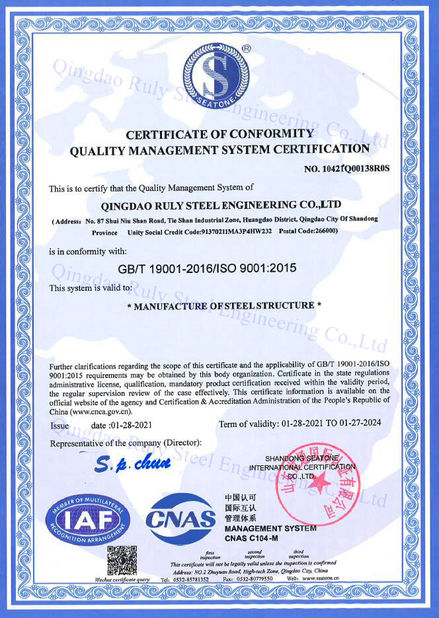
การผลิต:การผลิตที่ได้รับการรับรองจาก ISO ด้วยการตรวจคุณภาพหลายระยะ
-
การก่อสร้างคําแนะนําและการประสานแผนการติดตั้งจากผู้เชี่ยวชาญ
-
การดําเนินงาน:คุ้มครองการรับประกันและคําแนะนําการบํารุงรักษา
การพิจารณาทางกลยุทธ์
จากมุมมองการจัดการความเสี่ยง การผลิตแบบล่วงหน้าจะลดความช้าของสภาพอากาศ ความสับสนของวัสดุ และการขาดแรงงาน โดยการโอนกิจกรรมก่อสร้างส่วนใหญ่ไปยังการตั้งค่าโรงงานที่ควบคุมข้อมูลประวัติศาสตร์ของโครงการ.
การวิเคราะห์ค่าใช้จ่ายรอบชีวิต รวมถึงการก่อสร้าง การเงิน การดําเนินงาน การบํารุงรักษา และการพิจารณาตอนสิ้นอายุการผสมผสานระยะเวลาที่เร่งรัดและประสิทธิภาพการดําเนินงานมักจะผลิตผลตอบแทนจากการลงทุนและมูลค่าปัจจุบันที่สูงกว่าเทียบกับวิธีประเพณี.


 ข้อความของคุณจะต้องอยู่ระหว่าง 20-3,000 ตัวอักษร!
 Thai
Thai