logo
บ้าน

บล็อก เกี่ยวกับ Key Properties and Uses of A36 Carbon Steel in Construction

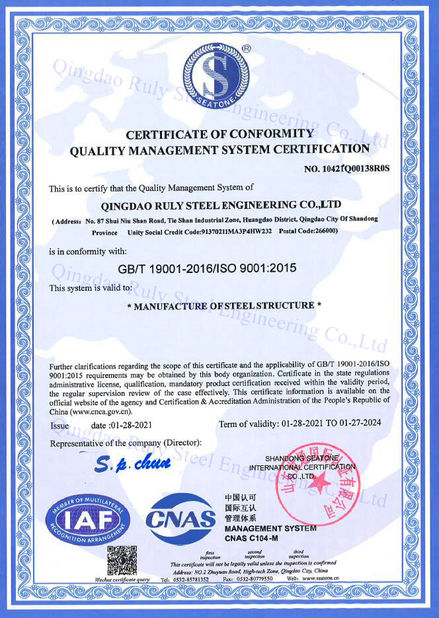
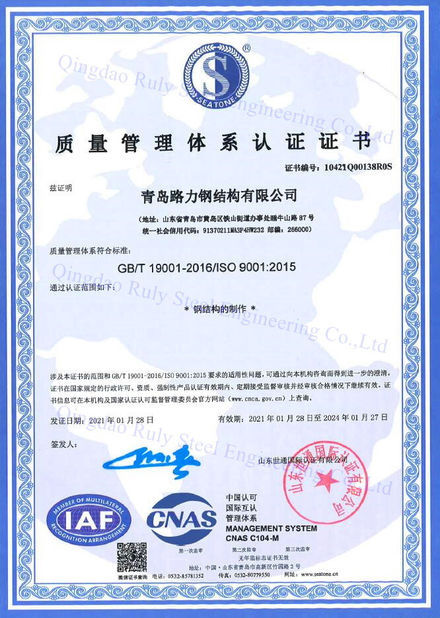
ได้รับการรับรอง
จีน Qingdao Ruly Steel Engineering Co.,Ltd รับรอง
ความคิดเห็นของลูกค้า
พูดตามตรงฉันไม่คุ้นเคยกับโครงสร้างเหล็กในตอนแรก แต่พวกเขาให้ข้อเสนอที่สมบูรณ์แบบเพื่อช่วยฉันทำงานให้เสร็จสมบูรณ์งานดีเหล็ก Ruly

—— Mike Guioguio

เวลาการส่งมอบที่รวดเร็วและที่สำคัญมาก: ผลิตภัณฑ์ที่ส่งเสมอตรงกับคำสั่ง ฉันเชื่อใจพวกเขาเพราะฉันไม่เคยผิดหวังกับพวกเขา

—— แม่เซนา

ความร่วมมือซึ่งกันและกันนี้ใช้เวลาประมาณ 4 ปีและต้องยอมรับการบริการที่พวกเขาให้นั้นเหนือความคาดหมาย

—— เทอร์รี่เชพลีย์

สนทนาออนไลน์ตอนนี้ฉัน
บริษัท บล็อก
Key Properties and Uses of A36 Carbon Steel in Construction
ข่าว บริษัท ล่าสุดเกี่ยวกับ Key Properties and Uses of A36 Carbon Steel in Construction

Beneath towering bridges, within the skeletons of skyscrapers, throughout vehicle frames, and supporting industrial equipment, one material quietly performs its vital role—A36 carbon steel. This unassuming alloy has become indispensable in structural engineering due to its exceptional balance of performance and cost-effectiveness.

A36 Carbon Steel: The Versatile Workhorse

A36 carbon steel, as the name suggests, is primarily alloyed with carbon. This hot-rolled, low-carbon steel distinguishes itself through excellent strength, formability, and weldability. Unlike many steel grades defined by precise chemical compositions, A36 is classified by its mechanical properties according to ASTM (American Society for Testing and Materials) standards.

This flexibility in chemical composition makes A36 easier to produce and more cost-effective. In ASTM nomenclature, "A" denotes ferrous metals, while "36" indicates a minimum yield strength of 36,000 pounds per square inch (psi)—the stress point at which permanent deformation begins.

Why A36 Dominates Structural Applications

A36's popularity stems from several key advantages:

  • Superior Weldability: Compatible with arc, gas, and resistance welding methods, A36 simplifies fabrication of complex structures while reducing costs.
  • Balanced Strength: With tensile strength ranging 58,000-80,000 psi, A36 reliably supports structural loads despite its moderate yield strength.
  • Exceptional Formability: Its ductility allows cold bending, hot forming, and machining into diverse shapes without cracking.
  • Cost Efficiency: Compared to high-strength alternatives, A36 delivers structural integrity at lower material costs.
A36 vs. C1018: Key Differences

While often compared, A36 (hot-rolled) and C1018 (cold-rolled) serve distinct purposes. C1018 offers greater hardness (BHN 126 vs. A36's 112) and surface finish, but sacrifices weldability and formability. A36's lower hardness enhances its bending capacity, making it preferable for structural fabrication.

Ubiquitous Applications

A36 serves as the backbone of modern infrastructure:

  • Construction: Building frameworks, bridges, and roofing systems
  • Manufacturing: Machinery components, gears, bearing housings, and tanks
  • Transportation: Vehicle chassis, body structures, and suspension systems
  • Energy Sector: Oil/gas pipelines, storage tanks, and drilling platforms
Fabrication Flexibility

A36 accommodates diverse processing methods:

  • Cold bending for structural profiles
  • Machining for precision components
  • Stamping for sheet metal parts
  • Multiple welding techniques
  • Hot forming for complex geometries
Critical Specifications

Key performance parameters include:

  • Tensile strength: 58,000-80,000 psi (400-550 MPa)
  • Yield strength: 36,000 psi (250 MPa)
  • Elongation: 23% (in 2-inch gauge length)
  • Brinell hardness: 112
Procurement Considerations

When sourcing A36:

  • Select reputable suppliers with quality certifications
  • Verify dimensional and mechanical specifications
  • Inspect for surface defects like cracks or corrosion
  • Request material test certificates
  • Consider third-party testing for critical applications
The Sustainable Future

As sustainability gains priority, A36 evolves through:

  • Enhanced properties via alloy modifications and surface treatments
  • Expansion into green construction and renewable energy projects
  • Increased recycling to reduce environmental impact

This fundamental structural material continues to shape our built environment through its unique combination of performance, adaptability, and economic viability.

ผับเวลา : 2026-03-19 00:00:00 >> รายการบล็อก
รายละเอียดการติดต่อ
Qingdao Ruly Steel Engineering Co.,Ltd

ผู้ติดต่อ: Mr. steven

โทร: 0086-18661691560

ส่งคำถามของคุณกับเราโดยตรง (0 / 3000)